

Inspired by: Bill Coperthwaite
A yurt-riddled 'can't get there from here' kind of story
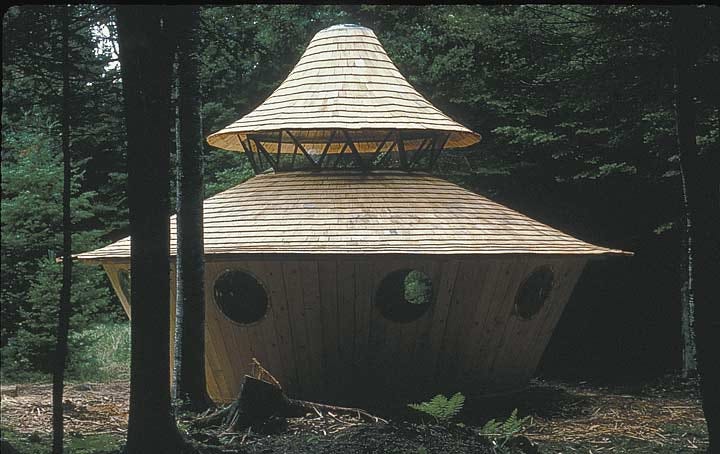
If you’ve ever heard about or read the work of Helen and Scott Nearing and thought, What a bunch of lazy softies! you’re going to love Bill Coperthwaite. Although the three were friends and Bill was something of a mentee of Scott, Bill’s own remote Maine homestead didn’t even have a driveway—you’d park on the road and continue on foot for over a mile to the house. That is, unless the tide was in, as the simplest access was by canoe.
But I’m getting ahead of myself here. Bill Coperthwaite was an architect, writer, social critic, and educator whose philosophy of “democratic living” played out for 55-years at the homestead mentioned above. He’s also the guy who brought yurts to the U.S. Really.
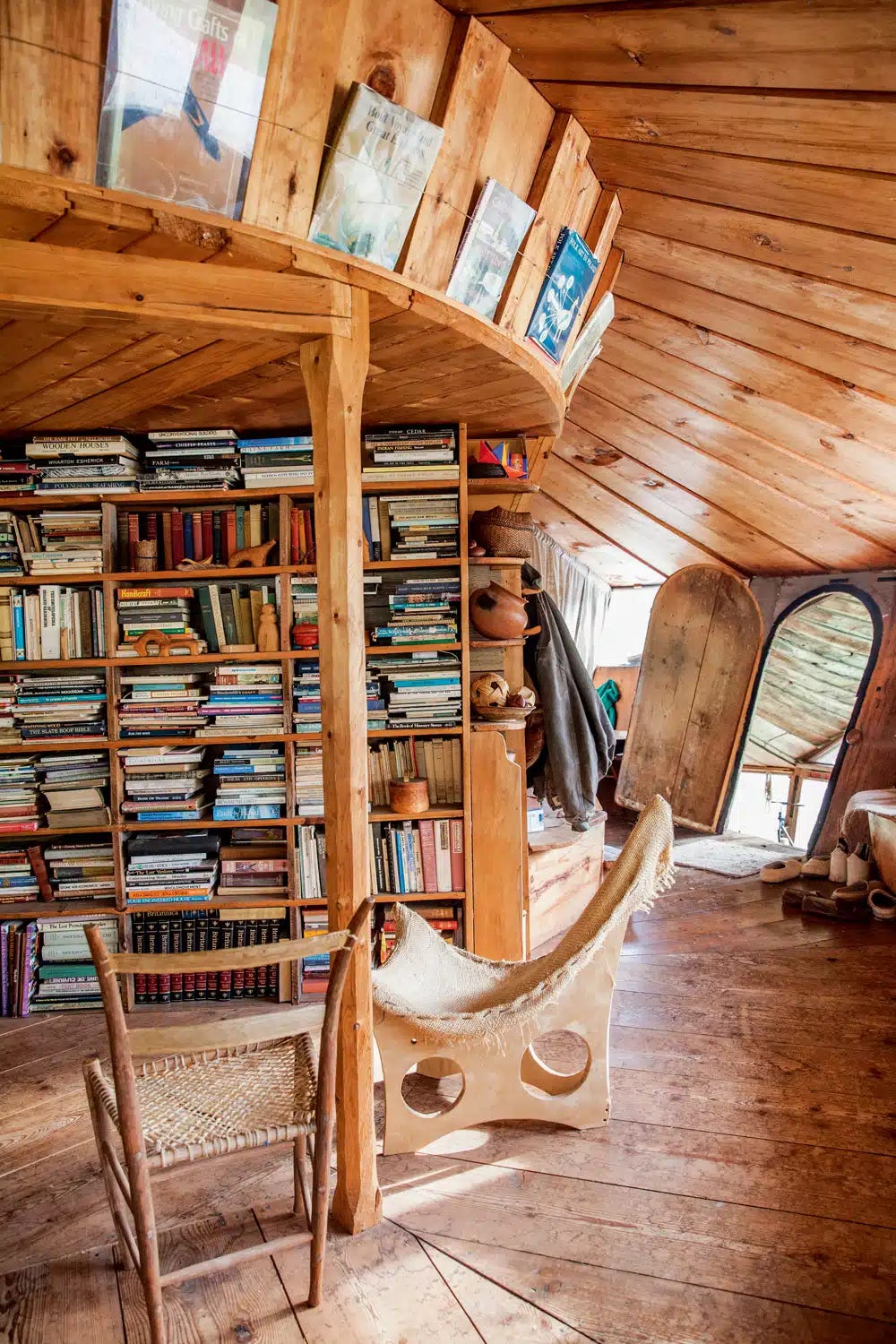


Aroostook County-born in 1930, Coperthwaite attended Bowdoin, where he got a degree in art history. He was then invited by program director Morris Mitchell to apply for graduate study at Harvard’s Putney School of Teacher Education. Bill was already reading Gandhi at the time when he met and studied with Mitchell, a Quaker, whose views on education, rooted in social change, were extremely radical, especially for the time. Bill was drafted to the Korean War and, claiming conscientious objector status, joined the American Friends Service Committee, working primarily in the South. In this context, he became friendly with Richard Gregg, a key figure in that movement and the person who introduced Bill to the work and life of Helen and Scott Nearing, then of Vermont and later of Maine. With this whole swirly soup of ideas having to do with social change, nonviolence, and simple living, Bill returned to Harvard and received his doctorate based on studying the handcrafts and tradition of the Inuit people.
Around the same time, Bill was leafing through National Geographic where he came across a story about outer Mongolia featuring modest dwellings called gers, yurt in Russian. He was so taken with these buildings, primarily because the inhabitants could build them, with some help, by themselves. No contractors or builders or machinery. Accessible and possible for anyone. At 22, Bill built his first yurt on the campus of Meeting School in Rindge, New Hampshire, where he was a math teacher.
By the mid-70s, yurts and yurt-making began to attract a devoted following, featured in places like Lloyd Kahn’s Shelter, and Bill thought it might be time to hold the patent. He was awarded a patent in 1976 for “yurt or similar structure” and began teaching workshops in Maine and elsewhere.
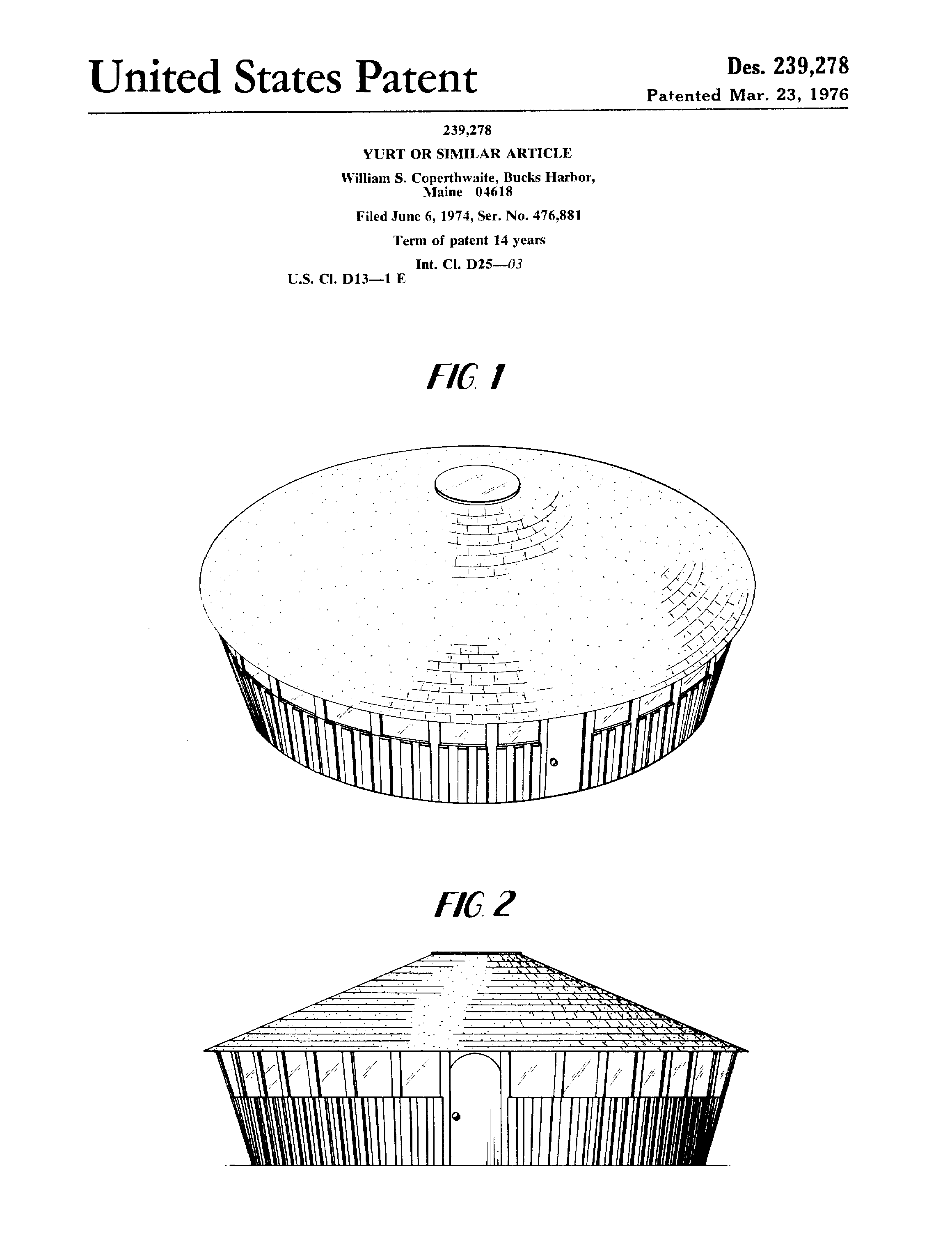
What’s really interesting about Bill as patent-holder is that he didn’t really make yurts in any commercial capacity—he was always most interested in education and showing people they could make a shelter, dwelling, home all on their own. While reading up about Bill, one of his most repeated quotes reflects exactly this:
“The main thrust of my work is not simple living—not yurt design, not social change, although each of these is important and receives large blocks of my time. But they are not central. My central concern is encouragement—encouraging people to seek, to experiment, to plan, to create, and to dream. If enough people do this we will find a better way.”
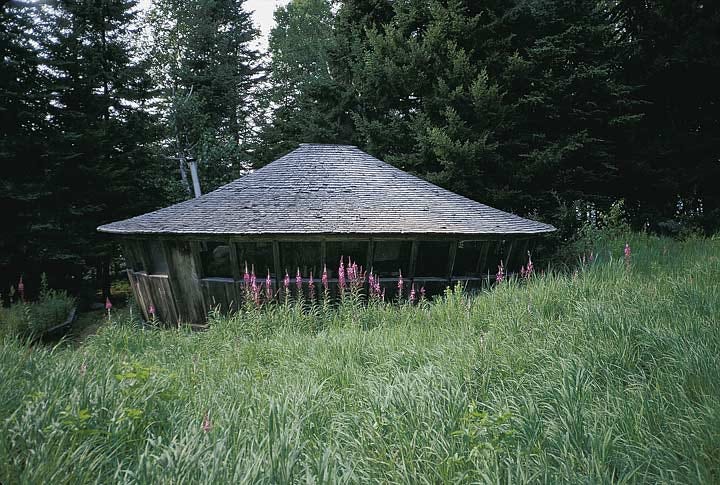
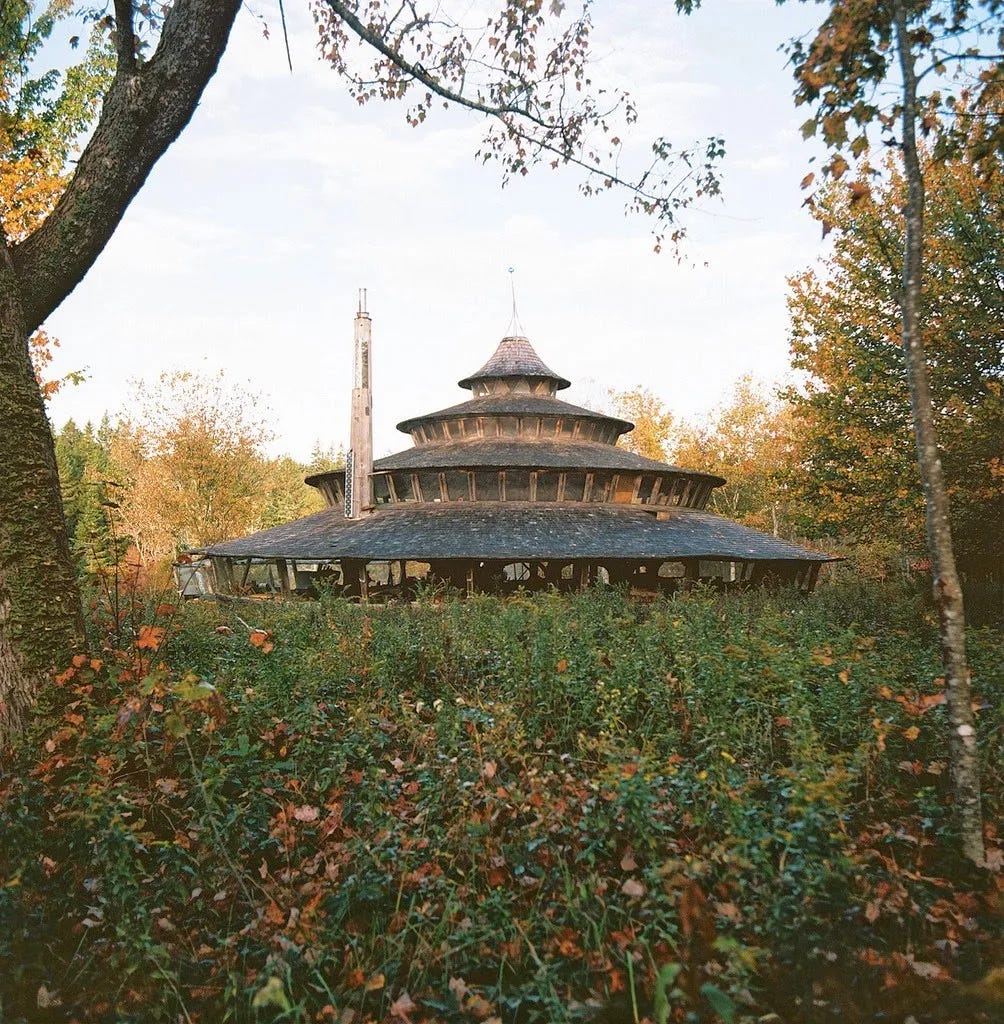
Bill purchased his 500-acre property in Maine, which he called Dickenson’s Reach after his favorite poet, Emily Dickenson, and where he went about building his four-tiered yurt home and started his “experiment in living.” Part of his building process enabled you to live in the structure as it was being built, by starting with a small enclosure at the center and working outwards from there. He kept a seven-year rotation of firewood to keep the yurt nice and cozy and spent much of his time responding to letters from people interested in his way of living. Apparently the return address was simply “Bill, Machiasport, 04655” and the mail did make it through that way. Like I mentioned at first, Bill’s Down East home was accessible by canoe or 1.5-mile walk from the road. He figured that if someone took all the effort to come visit him, he’d talk to them and he even had a specific format—he’d invite visitors to learn how to carve a wooden spoon. Always teaching! It would be a way to share some knowledge and it gives your hands something to do while you chat.
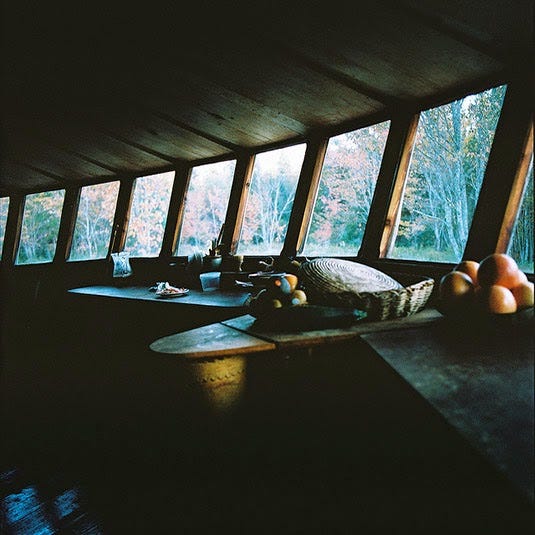
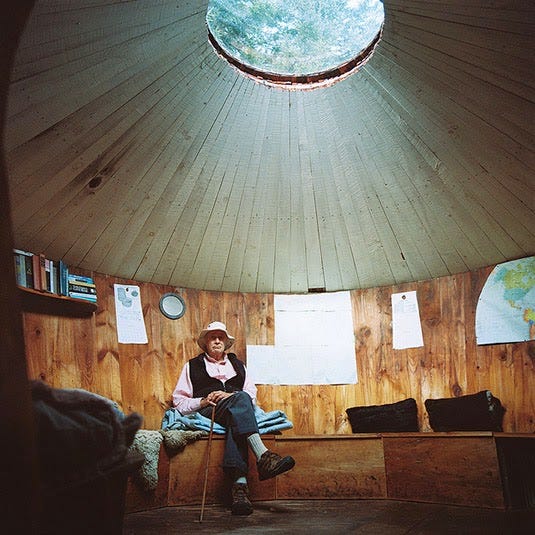
After all that time, Bill finally released a book in 2004, A Handmade Life: In Search of Simplicity (cool nod to Quakers there) and a four part documentary on his process came out in 2012, a year before his death at 83—which, confirming he was likely full of vim and vigor (piss and vinegar?), I saw described as “untimely.”
More reading!
In Search Of Simplicity - memorial website
Maine Boats: William Coperthwaite And His Yurts
Extremely Beautiful Photos of Bill and the Compound
If you are having fun and would like to support my work, here are several ways to do that:
Throw a like or comment on this post
(it helps more people find their way here!!)
Share this post with someone who might be into it
(I would be so appreciative!)
Upgrade to a paid subscription
(wow, you rule.)
(we should be friends??)
🤍
Love reading about this guy. There’s a quote of his I’ve tried to find for years that I read around the end of his life when taproot magazine did a feature on him. It was something about the fact that every home should have a workbench because everyone should be doing projects in their home/as part of their daily living. Have you seen anything about that? I don’t know if it was specific to that article or not, and I haven’t been able to track that down.
incredible discovery! what a guy.